How to Choose Brake Pads for Your Car
Compound types, dust and noise trade-offs, and the fitment details that decide which pads you can actually use.
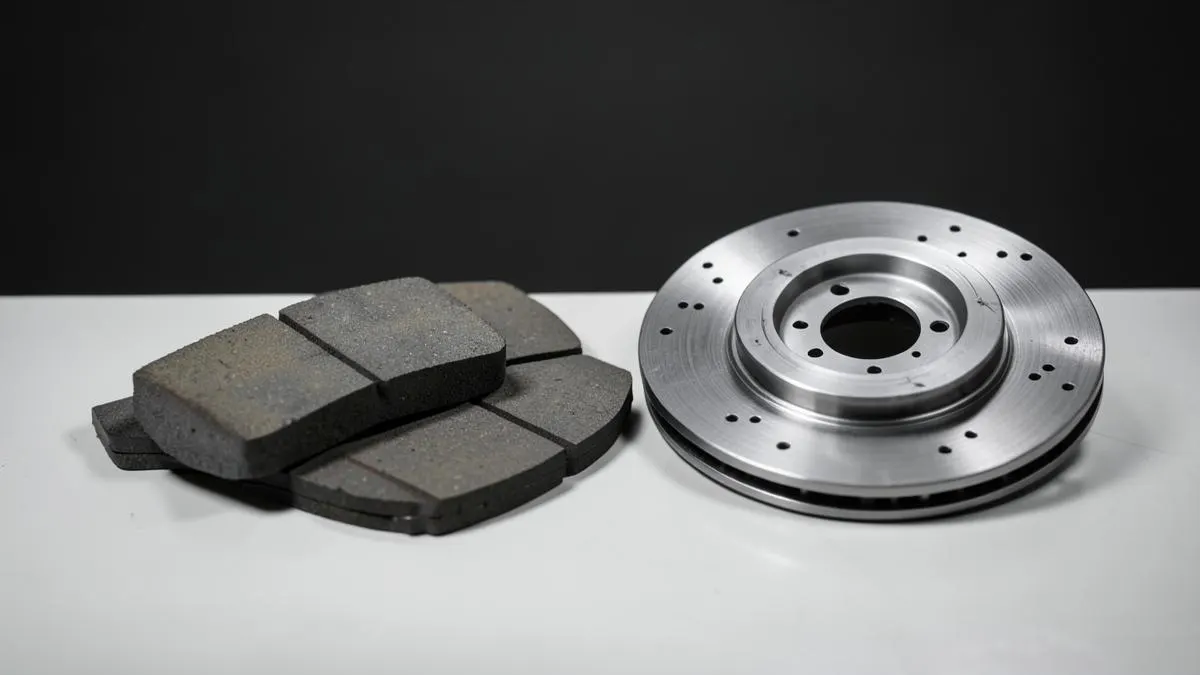
# How to Choose Brake Pads for Your Car
Pads are the one brake component drivers choose most often, and the choice is mostly about compound and fitment.
Compound types
| Compound | Strengths | Trade-offs | | --- | --- | --- | | Ceramic | Low dust, quiet, long life | Weaker when cold, higher price | | Semi-metallic | Strong bite, heat tolerant | More dust and noise, more disc wear | | Low-metallic NAO | Good balance, strong initial bite | Noticeable dust |
For city driving in Gulf heat with frequent stop-start traffic, a quality ceramic or premium OEM-equivalent pad is usually the practical default. For heavy vehicles, towing or spirited driving, semi-metallic handles heat better.
Fitment details that matter
- Front and rear pads are different — order by axle
- Disc diameter and caliper variant can differ within one model year
- Wear-sensor pads need the sensor connector to match
- Some sets ship with shims and clips; some do not
Confirm all of these against your VIN before ordering.
Signs your pads need replacing
Squealing that changes when braking, a grinding sound, longer stopping distance, pulsation through the pedal, or visible friction material under about 3 mm.
Do not mix
Replace pads in axle pairs and inspect discs at the same time. New pads on scored discs will wear unevenly and can bring the noise straight back.
Budgeting the job
Ask suppliers to quote pads alone and pads with discs. The combined job is often cheaper than doing pads now and discs in two months.
Conclusion
Match the compound to how you actually drive, confirm the caliper and sensor variant against your VIN, and replace by axle. Quote both pads and discs so the comparison is honest.