What to Check Before Buying Used Auto Parts
A practical inspection checklist for used parts, plus the categories worth buying used and the ones that are not.
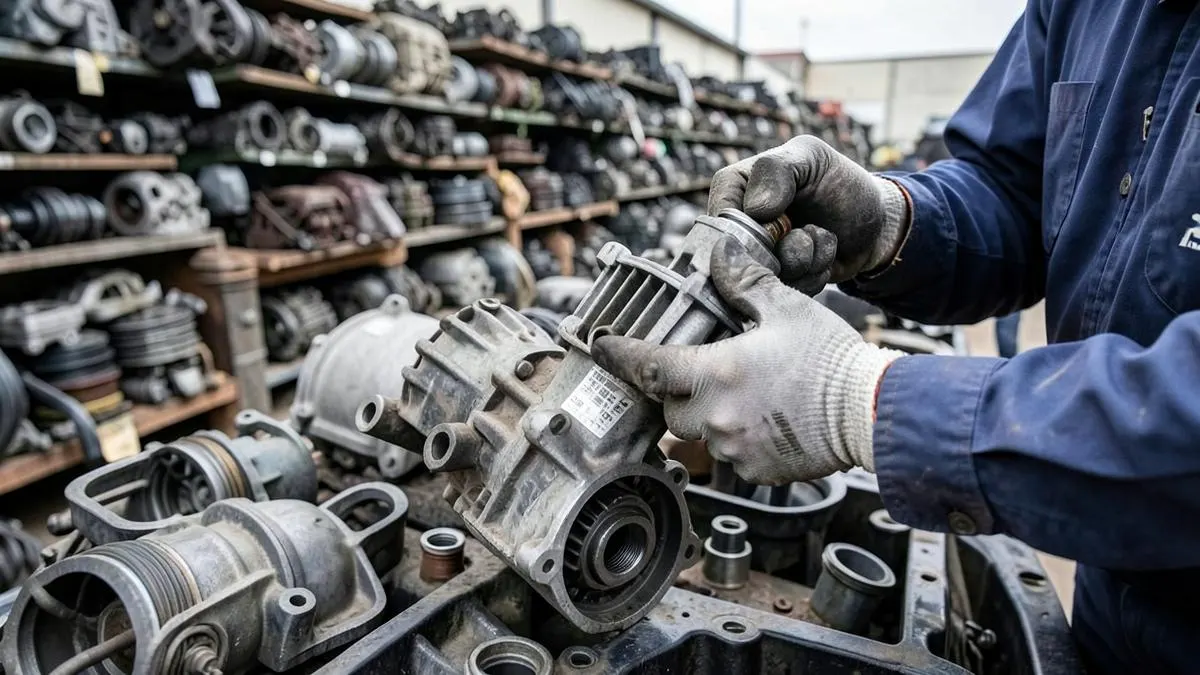
# What to Check Before Buying Used Auto Parts
Used parts can cut a repair bill in half — or turn into a second repair. The difference is inspection discipline.
Ask for the donor vehicle details
A serious seller knows where the part came from: model, year, VIN if possible, mileage, and whether the donor was an accident vehicle. A seller who cannot answer is guessing.
Inspect by part type
| Part type | Buy used? | What to inspect | | --- | --- | --- | | Body panels, doors, mirrors | Yes | Straightness, corrosion, paint code, mounting tabs | | Alternators, starters | Cautiously | Bench-test proof, bearing noise, connector condition | | ECUs and modules | Cautiously | Part number match, coding requirements, water damage | | Suspension arms | Cautiously | Bushing cracks, ball-joint play, no bends | | Brake friction, filters, belts | No | Wear items — buy new | | Airbags and restraint parts | No | Safety-critical and often deployed |
Physical checks that matter
- Corrosion and moisture staining, especially on electronics
- Thread condition on every mounting point
- Matching part number to your verified OEM number
- Signs of previous repair: weld marks, fresh paint on a sealed housing
Get the terms in writing
Confirm before payment: return window, whether the part is tested, whether coding or programming is included, and what happens if the part is dead on arrival.
Compare against a new price
Sometimes a genuine new part is only slightly more expensive than a good used one. Ask for both, then decide with the numbers side by side.
Conclusion
Used is a valid choice for structural and body parts, a calculated risk for electronics, and a bad idea for wear and safety items. Inspect, document, and always compare.